Telecommunications Security
Telecom Security Services
Protecting the networks that power modern communication — from radio access and signaling to the core, the edge, and every connected subscriber.
Overview
Introduction
Telecommunications networks sit at the center of national economies, emergency response systems, financial transactions, and everyday communication. As operators modernize toward 5G, virtualized cores, and cloud-native architectures, the number of ways an attacker can reach critical network functions has grown just as quickly as the networks themselves.
ALCON Cyber Security works with telecom operators, internet service providers, mobile virtual network operators, government agencies, and critical infrastructure providers to identify weaknesses across the full network stack and close them before they are exploited. Our telecom security practice combines carrier-grade technical depth with a clear understanding of the regulatory and commercial pressures operators face.
Impact
Why This Service Matters
A telecom network breach rarely stays contained to a single system. Signaling abuse can be used to intercept calls and messages, track subscriber location, or commit large-scale fraud. A compromised core network function can disrupt service for millions of subscribers at once. Because telecom infrastructure is classified as critical national infrastructure in most jurisdictions, security failures also carry regulatory, financial, and reputational consequences that extend well beyond the IT department.
Subscriber trust is the foundation of every telecom business. Once that trust is broken — through fraud, surveillance, or service outages — it is expensive and slow to rebuild. Proactive telecom security is what allows operators to keep growing their networks, launch new services like 5G network slicing, and meet contractual and regulatory obligations with confidence.
The Landscape
Current Industry Challenges
- Converging architectures: Legacy SS7 and Diameter signaling now coexist with SIP, GTP, and 5G Service-Based Interfaces, multiplying the number of protocols that must be secured simultaneously.
- Virtualization and cloud-native cores: NFV and SDN introduce software vulnerabilities and misconfiguration risks that did not exist in traditional hardware-based networks.
- Persistent signaling fraud: SS7 and Diameter abuse continue to enable location tracking, call interception, and revenue fraud across interconnect networks.
- Expanding attack surface from IoT and eSIM: Massive device growth and remote SIM provisioning create new entry points for attackers targeting subscriber identity.
- Regulatory pressure: National telecom regulators and international bodies increasingly require documented security assurance, audit trails, and incident reporting.
- Skills shortage: Few security teams combine deep telecom protocol knowledge with modern offensive security and SOC capability.
Explore by Network Layer
Our Telecom Security Service Family
Four specialized services, each covering a distinct layer of the telecom stack.

5G Security Services
End-to-end assurance for 5G deployments — from the radio access network through the cloud-native core — built for operators moving fast without cutting corners on security.
Explore 5G Security Services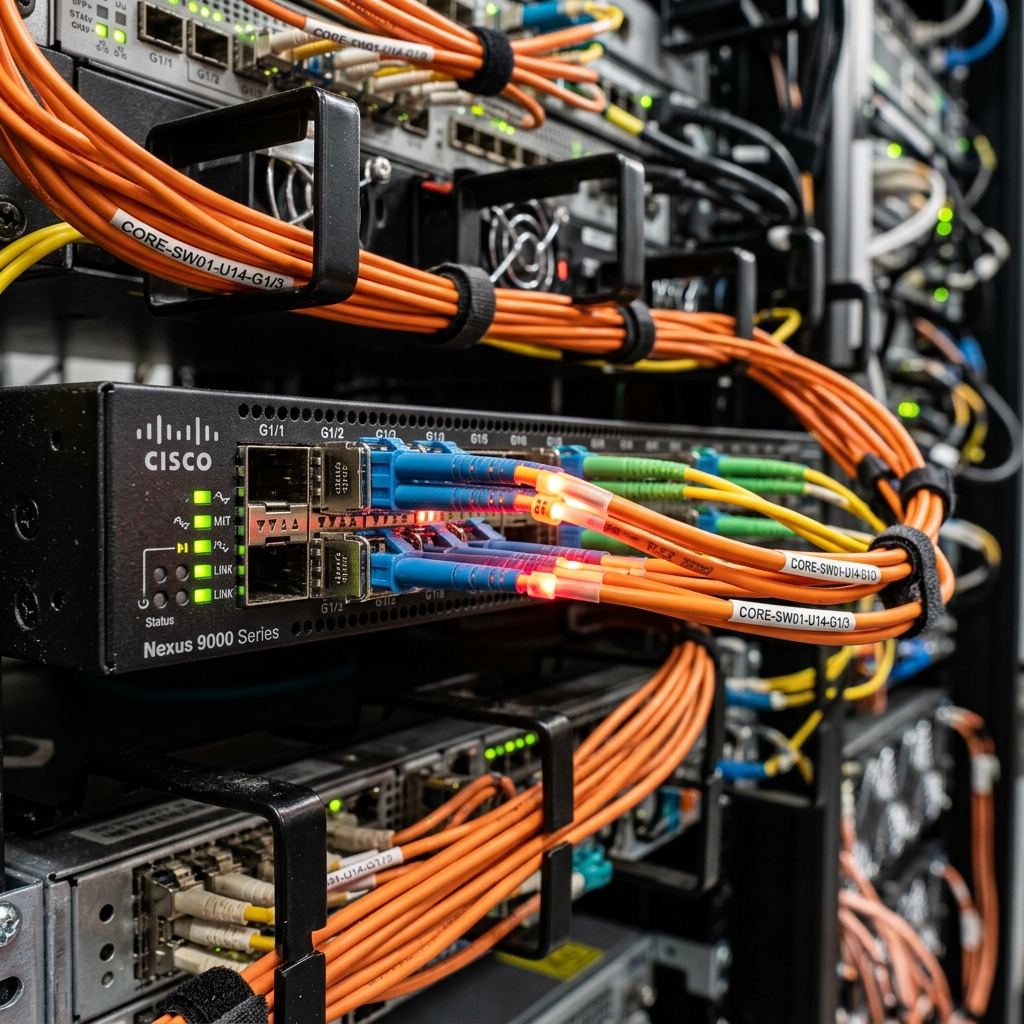
Telecom Signaling Security
Defending SS7, Diameter, SIP, and GTP signaling against the fraud, interception, and tracking techniques used against interconnect networks worldwide.
Explore Telecom Signaling Security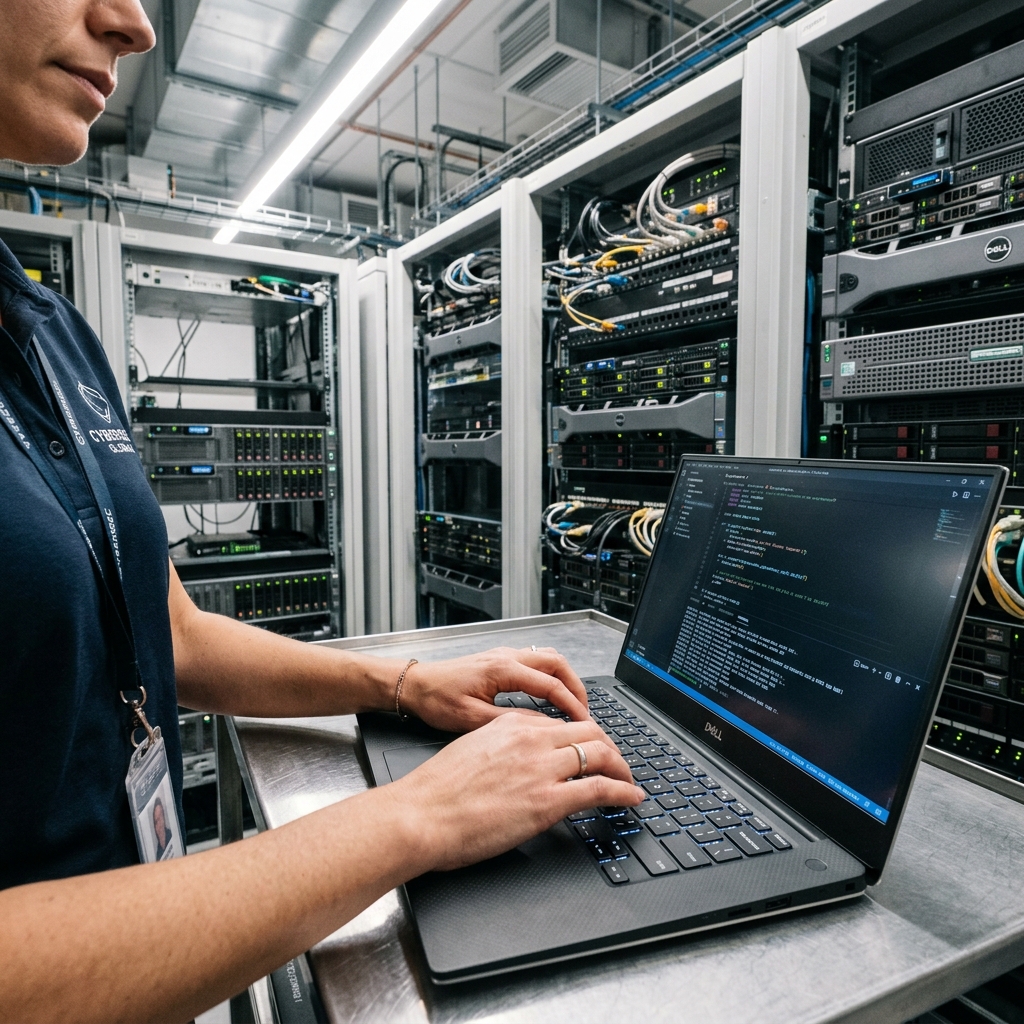
IP Network Infrastructure Security
Hardening the routers, transport links, and software-defined systems that carry every call, message, and data session across your network.
Explore IP Network Infrastructure Security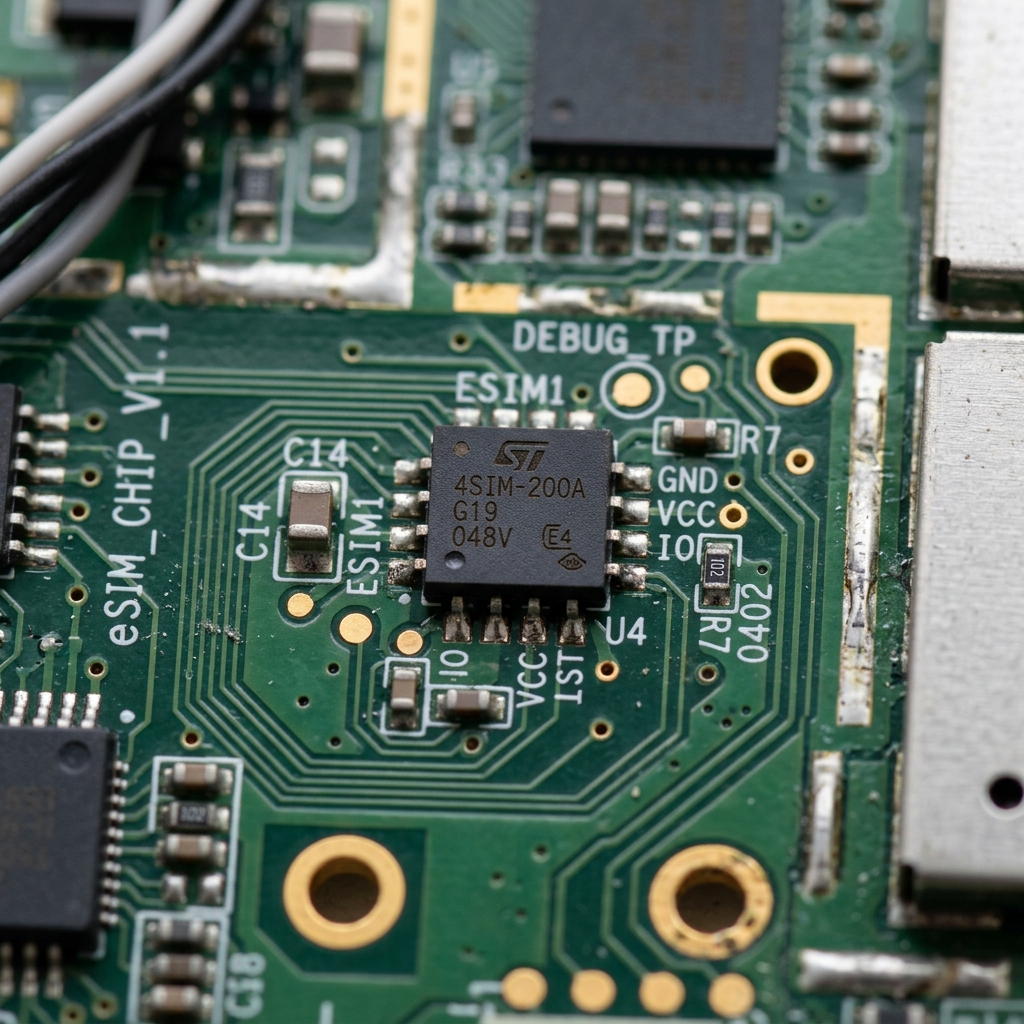
SIM & eSIM Security
Protecting the applets, keys, and provisioning workflows that establish subscriber identity across physical SIM and remote eSIM deployments.
Explore SIM & eSIM Security
MBSS Security
Minimum Baseline Security Standard — the foundational controls applied consistently across every telecom network layer.
Explore MBSS SecurityOur Approach
How ALCON Helps
ALCON Cyber Security brings together telecom protocol specialists, penetration testers, and SOC analysts under a single engagement model. Rather than treating telecom security as a generic IT exercise, we assess each layer of the network on its own terms — radio access, signaling, core, transport, and subscriber identity — and then connect the findings into a single, prioritized risk picture for your leadership team.
Every engagement is scoped around your specific network architecture, vendor mix, and regulatory environment, and delivered by consultants who have direct, hands-on experience with carrier-grade equipment and protocols.
Architecture
Integrated Telecom Security Architecture
A simplified map of the domains ALCON assesses across a telecom network, from radio access through to interconnect and operations — each linking through to the relevant service.
Simplified for clarity — select a domain above to see how ALCON assesses that layer in detail.
Methodology
Assessment Methodology
- Scoping & Discovery: We map your network architecture, interconnect points, vendor systems, and regulatory obligations.
- Threat Modeling: We identify realistic attack paths specific to your network type — fixed, mobile, MVNO, or converged.
- Technical Assessment: Hands-on testing of signaling protocols, core network functions, IP infrastructure, and subscriber identity systems.
- Risk Prioritization: Findings are ranked by business impact, exploitability, and regulatory exposure, not just technical severity.
- Reporting & Executive Briefing: A clear report for technical teams and a summarized briefing for leadership and board stakeholders.
- Remediation Support & Retesting: We work alongside your team through fixes and confirm closure through targeted retesting.
Outcomes
Benefits
- Reduced exposure to signaling fraud, interception, and subscriber tracking.
- Confidence to launch new services such as 5G network slicing and eSIM provisioning securely.
- Clear, board-ready documentation to support regulatory and compliance reporting.
- Stronger subscriber trust and reduced churn linked to security incidents.
- A single, prioritized view of risk across signaling, core, IP, and identity layers.
Who We Work With
Industries We Serve
- Mobile Network Operators
- Internet Service Providers
- Mobile Virtual Network Operators (MVNOs)
- Government & Regulatory Agencies
- Critical National Infrastructure Providers
- Enterprises with private or hybrid telecom networks
Why ALCON
Why Choose ALCON Cyber Security
ALCON Cyber Security combines carrier-grade telecom protocol expertise with modern offensive security and SOC operations under one roof. Our consultants have hands-on experience with real network equipment and interconnect environments, which means our findings map directly to how your network actually behaves — not to generic checklists. We prioritize by business impact, communicate clearly with both engineers and executives, and stay engaged through remediation rather than disappearing after the report is delivered.
FAQ
Frequently Asked Questions
Telecom security focuses on the protocols, signaling systems, and network functions unique to telecommunications — such as SS7, Diameter, GTP, and 5G core interfaces — which require specialized tooling and expertise beyond standard enterprise IT security.
Yes. Most operators run converged, multi-generation networks, and our assessments cover legacy signaling protocols alongside modern core and IP infrastructure.
Yes. Our assessments are structured to support documentation required by national telecom regulators and international security frameworks.
Scope varies by network size and complexity, but most assessments run between four and ten weeks, including reporting and remediation support.
Both. We offer standalone assessments as well as continuous SOC monitoring services built around telecom-specific threat intelligence.
Engagements are carefully scoped and, where required, conducted in coordination with maintenance windows or lab replicas to avoid disruption to live traffic.
Ready to Strengthen Your Telecom Network?
Speak with our telecom security specialists about your network architecture and risk priorities.
Talk to Our Experts